
Back-to-school season often brings a mixture of excitement and stress. Children are adjusting to earlier bedtimes, busy mornings, homework, after-school activities, and a more structured daily schedule. Parents are also trying to keep everyone organized while helping their children begin the school year with confidence.
One simple tool can make these transitions a little easier: a children’s puzzle book.
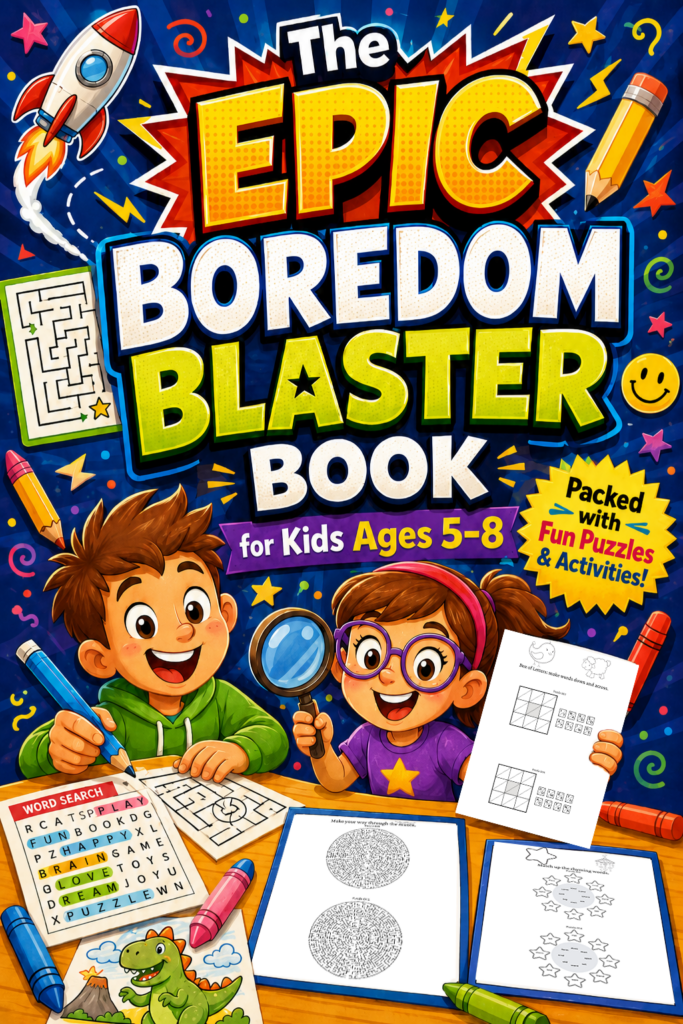
Puzzle books may look like ordinary entertainment, but they can help children settle into routines, strengthen important learning skills, and enjoy productive screen-free time. Whether your child enjoys mazes, word searches, matching activities, word ladders, Sudoku, or other brain games, a puzzle book can become a surprisingly useful part of your family’s back-to-school routine.
Start the Morning with a Calm Activity
School mornings can quickly become rushed and chaotic. One child may be ready early while another is still looking for a missing shoe or finishing breakfast.
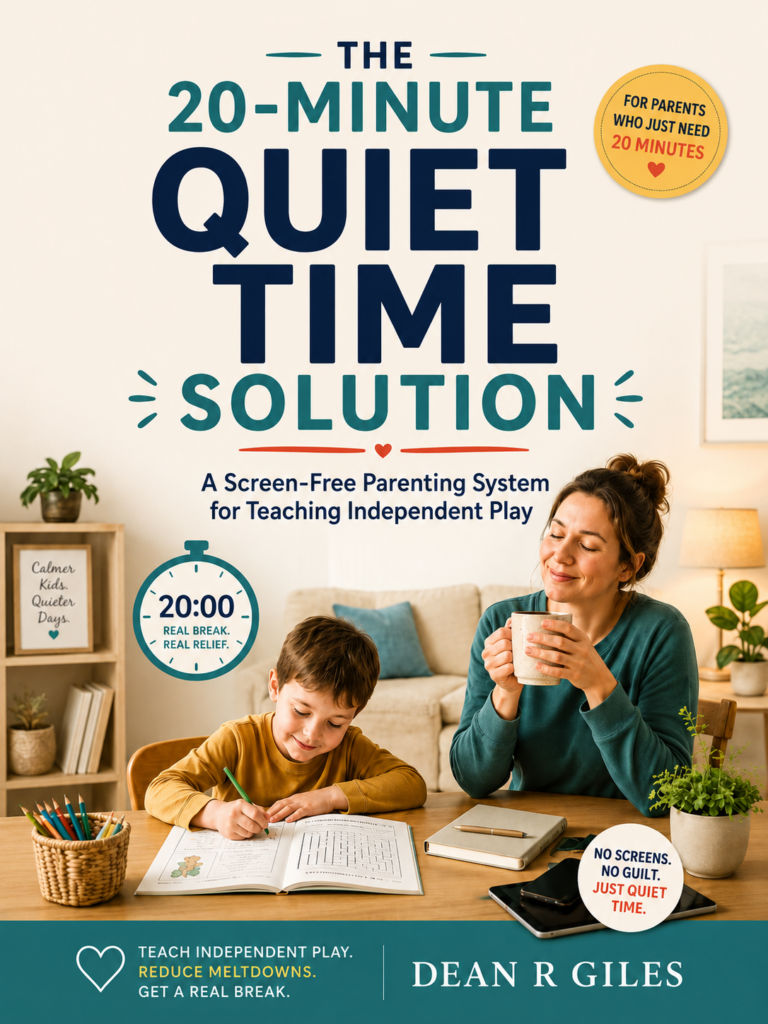
Keeping a puzzle book at the breakfast table gives children who are ready something calm and constructive to do. Instead of turning on the television or asking for a phone or tablet, they can complete a maze, solve a word puzzle, or work on a matching activity.
Even five or ten minutes of quiet puzzle time can help children begin the day in a focused frame of mind. It also provides a predictable activity while everyone else gets ready.
Create a simple morning puzzle basket containing:
- An age-appropriate puzzle book
- Sharpened pencils
- Colored pencils or crayons
- A good eraser
- A small timer, if your child enjoys timed challenges
The goal is not to finish an entire page every morning. It is simply to create a calm and enjoyable transition between waking up and leaving for school.
Create an After-School Transition
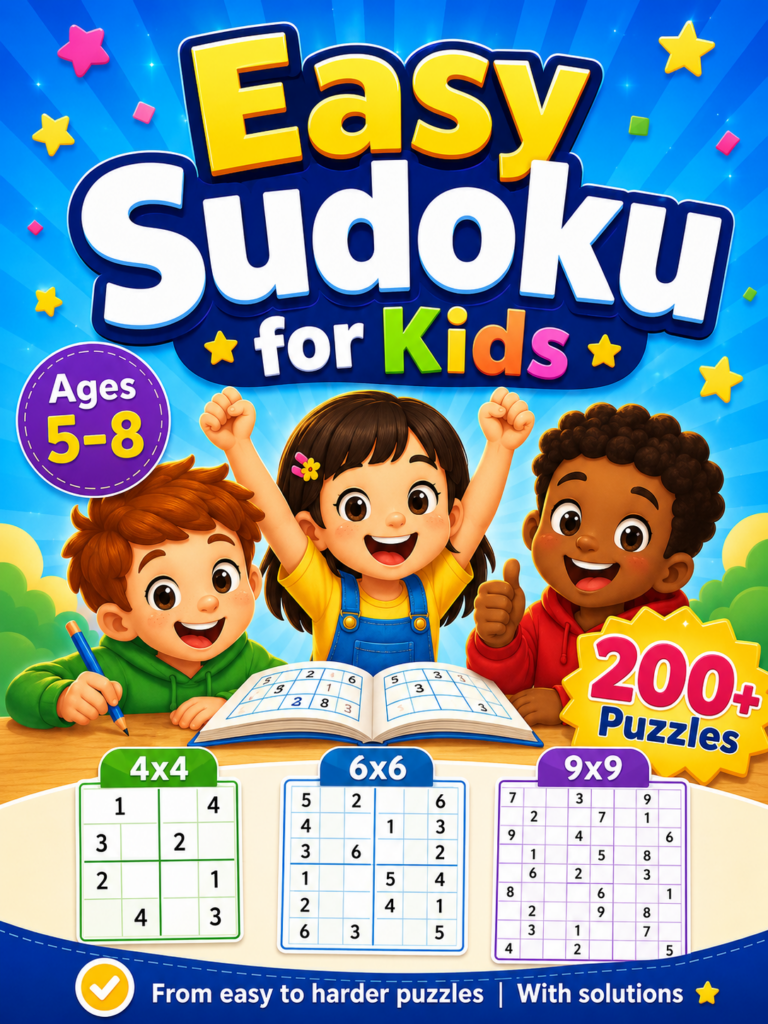
Children often need time to unwind after concentrating, listening, and following directions throughout the school day. They may not be ready to begin homework immediately, but turning straight to screens can sometimes make the transition even harder.
A puzzle book can provide a comfortable middle ground.
Try offering your child a snack and 15 to 20 minutes of quiet puzzle time after school. This gives the child a chance to relax without completely switching off mentally. Puzzles are structured enough to hold a child’s attention but flexible enough to feel like play.
Allow your child to choose the type of puzzle. Some days, a simple maze may feel just right. On other days, your child may want to tackle a word search or a more challenging logic puzzle.
Giving children this small choice can help them feel more in control after a day filled with assigned tasks.
Make Homework Time Easier to Begin
For many families, starting homework is more difficult than completing it. Children may resist sitting down because homework feels like a large, unpleasant task.
A short puzzle can act as a warm-up activity.
Before beginning homework, let your child complete one puzzle or work on one for five minutes. This can help the child settle into the work area, pick up a pencil, and begin concentrating.
Once the brain is engaged, moving from a fun puzzle to schoolwork may feel more manageable. It is similar to warming up before exercising—the hardest part is often getting started.
To keep puzzle time from becoming a way to delay homework, establish a clear routine:
- Put away the backpack and school supplies.
- Have a snack and take a short break.
- Complete one puzzle.
- Begin homework.
- Enjoy more puzzle time after homework, if desired.
When the routine remains consistent, children know what to expect.
Strengthen Skills Children Use at School
Puzzle books are entertaining, but they can also reinforce many of the skills children need in the classroom.
Depending on the activities included, puzzle books can help children practice:
- Concentration and attention
- Reading and vocabulary
- Spelling and word recognition
- Number skills
- Logical thinking
- Visual discrimination
- Hand-eye coordination
- Fine-motor control
- Following directions
- Problem-solving
- Persistence
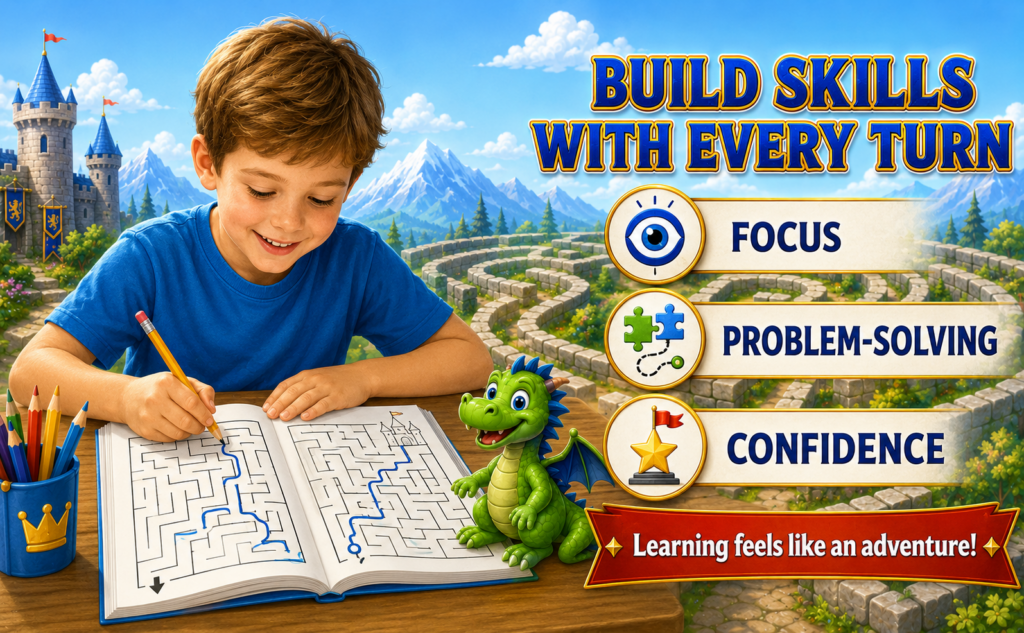
Mazes encourage children to plan ahead and correct mistakes. Word searches reinforce spelling patterns and vocabulary. Matching games strengthen visual memory. Word ladders help children explore how words are formed. Sudoku and logic puzzles encourage careful reasoning.
Because these skills are practiced through play, children may not even realize how much they are learning.
Build Confidence Through Small Successes
The beginning of a new school year can feel intimidating. Children are meeting new teachers, learning new rules, and facing work that may be more difficult than the previous year.
Completing a puzzle gives a child a clear and immediate sense of accomplishment. A finished maze, discovered word, or solved logic problem provides visible proof that persistence leads to success.
These small victories matter.
When children regularly solve problems on their own, they begin to develop confidence in their ability to handle challenges. That confidence can carry over into schoolwork.
Choose a puzzle book that begins with easier activities and gradually becomes more challenging. If the puzzles are too difficult at the beginning, children may become discouraged. Starting with achievable activities helps create momentum and makes children more willing to attempt harder ones later.
Use Puzzle Time as a Screen-Free Reward
Rewards do not always need to involve candy, toys, or additional screen time. For children who enjoy puzzles, choosing a special activity can become its own reward.
For example, you might say:
- “After your backpack is packed, you can choose a puzzle.”
- “When your homework is finished, we can solve a maze together.”
- “After you are ready for bed, you may have ten minutes of puzzle time.”
This connects completed routines with an enjoyable activity while avoiding the battles that can sometimes arise when screen time must end.
You can also use small stickers to mark completed puzzles or let your child place a star on a family puzzle chart. Keep the emphasis on effort and enjoyment rather than speed or perfection.
Add Puzzles to the Bedtime Routine
A peaceful bedtime is especially important during the school year. Children need enough sleep to concentrate, manage their emotions, and participate fully in class.
Unfortunately, screens close to bedtime can make winding down more difficult. A puzzle book offers a quiet alternative.
Place a puzzle book beside your child’s bed and allow ten minutes of puzzle time before reading a story or turning out the light. Choose easier activities for bedtime so that the child does not become frustrated or overly stimulated.
A simple evening routine might include:
- Prepare clothes and pack the backpack for tomorrow.
- Brush teeth and get into pajamas.
- Complete one quiet puzzle.
- Read together.
- Turn out the light.
Repeating the same steps each evening can help the child’s mind and body recognize that it is time to slow down.
Keep Puzzle Books Ready for Busy Moments
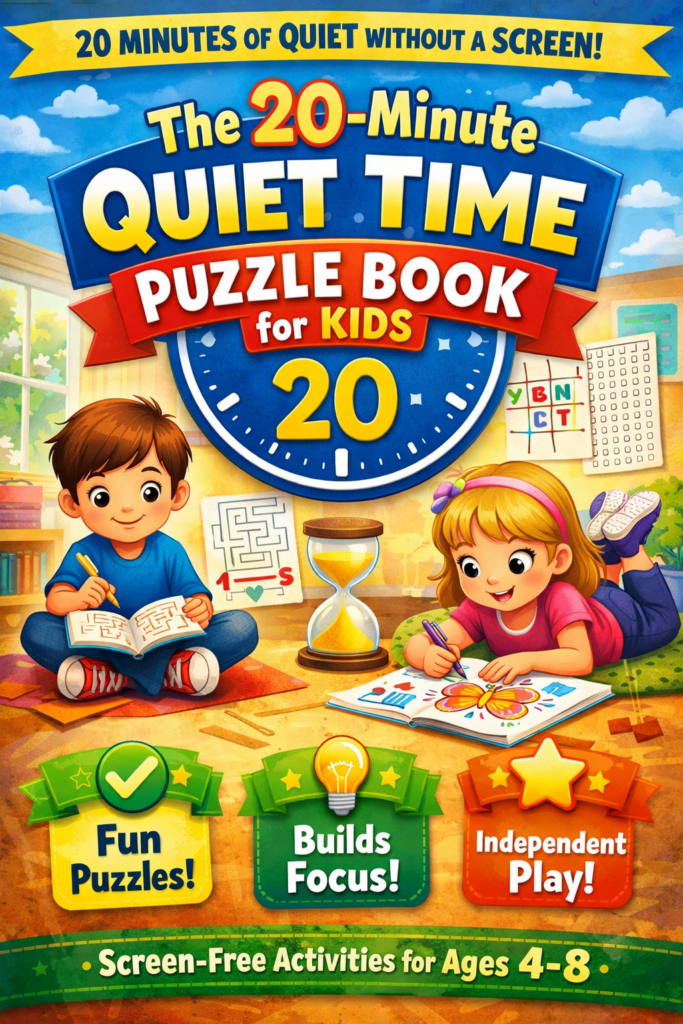
Back-to-school life includes plenty of waiting: school pickup lines, appointments, sports practices, restaurant visits, and car rides between activities.
Keep a puzzle book and pencil in the car or in your child’s backpack. It provides an easy activity whenever your child needs something to do.
Unlike electronic devices, a puzzle book does not need to be charged, connected to the internet, or monitored for appropriate content. It is always ready when you need it.
Make Puzzle Time a Family Activity
Puzzle books do not have to be solitary activities. Working on puzzles together can create opportunities for conversation and connection.
Sit beside your child and take turns finding words, choosing routes through mazes, or solving clues. If your child becomes stuck, ask questions that encourage thinking instead of immediately giving the answer:
- “What have you tried so far?”
- “Can you eliminate any choices?”
- “What clue could help us?”
- “Would it help to start from the end?”
- “Can we break the problem into smaller parts?”
This teaches children that struggling with a problem is normal and that asking for help is part of learning.
A Small Tool That Can Make a Big Difference
A puzzle book will not eliminate every rushed morning, homework complaint, or bedtime delay. However, it can make the transition back to school feel calmer, more predictable, and more enjoyable.
By adding a few minutes of puzzle time to your morning, after-school, homework, or bedtime routines, you can give your child opportunities to relax, think, learn, and experience success.
The best routine is one that works for your family. Begin with just one daily puzzle period and see how your child responds. That small screen-free habit may soon become one of the most enjoyable parts of the school day.
As backpacks are packed and new schedules begin, keep a puzzle book nearby. It may be exactly what your child needs to turn a busy back-to-school routine into a calmer and more confident start.